
오늘날의 크리에이티브 도구가 하지 못하는 것 중 Lolly가 하는 것, 그리고 Lolly가 의도적으로 그들에게 맡기는 것.
도구별 비교판은 Canva, Adobe, Figma, 렌더링 API, 온라인 변환기 각각을 위한 페이지가 따로 있으며, Lolly, 도구별 비교에서 확인할 수 있습니다. 각 페이지는 상대 도구가 더 잘하는 점과 Lolly가 대신 하는 것을 명시합니다.
상태: Lolly는 출시되었습니다. 버전 1.0은 2026년 8월 30일에 오픈 소스로 공개되었습니다. 보안은 아직 독립적인 감사를 받지 않았고, 도입에 관한 근거도 몇 달 전의 것입니다. 현재 상태는 도입 및 거버넌스 페이지에서 다룹니다.
오늘날의 도구들
아래의 각 원형 지표는 제품군이 마케팅상 주장이 아니라 오늘 실제로 출시된 상태로 해당 기능을 얼마나 완전하게 제공하는지를 점수로 나타내며, 각 제품군은 그중 가장 뛰어난 대표 제품을 기준으로 채점됩니다. Lolly도 같은 잣대로 채점되며, 이 표에서 유일한 빨간 원형 - 성숙도 항목 - 을 받습니다. 행 이름을 열면 그 점수의 근거를 볼 수 있습니다. 열은 상단의 전체 완성도 행 - 지출 행을 제외한 채점 행들의 평균 - 을 기준으로 정렬되어 있습니다.
Lolly includes lolly.work, the same project's separately deployed organisation service. Local creation needs no account; shared work and server rendering use the configured instance. Competitor scores: August 2026. Lolly coverage: 28 September 2026.
| Capability | Lolly+ lolly.work | Penpotopen design | CanvaAffinity Cavalry |
Adobedesktop pro | Brand DAMFrontify Bynder |
Cloudinarymedia pipeline | Figmaonline pro | Render APIsBannerbear Placid Creatomate |
|---|---|---|---|---|---|---|---|---|
| Overall completenessunweighted mean - weight rows for your own context · columns are sorted by this row | 84 | 70 | 57 | 48 | 41 | 41 | 41 | 34 |
Production maturity & track recordCanva, Adobe, Figma, Bynder/Frontify: a decade-plus at massive scale. Render APIs: years in production pipelines. Penpot: shipping, large community, younger at enterprise scale. Lolly: version 1.0 public since 30 August 2026 under MPL-2.0, and SUSE runs it as an internal deployment; no usage data is shared yet and there are no public case studies yet. Cloudinary: 2012, enterprise media infrastructure at global scale. |
25 | 75 | 100 | 100 | 100 | 100 | 100 | 75 |
Mass generation from data (CSV / API)Lolly: batch grid and CLI, plus lolly.work's recoverable server jobs and batches with retries, cancellation and retained outputs. Canva: Bulk Create + Autofill API - real, but Enterprise-gated, async, text/image fields only; Affinity Publisher adds desktop data merge. Adobe: InDesign data merge and scripting. Figma: Buzz fills templates from CSV or XLSX, free in beta (Aug 2026) - cloud- and account-gated, 50. Penpot: open API/MCP, not purpose-built. Render APIs: this is their entire product - account- and cloud-gated, so 75 under the method rule. DAM: Studio-style batch create and resize. Cloudinary: URL-driven overlays and named transforms derive variants at scale - account-gated, 75. |
100 | 50 | 50 | 50 | 75 | 75 | 50 | 75 |
Offline & air-gap operationLolly: standalone creation works offline once its assets are available; lolly.work's organisation services need a reachable instance, which can run on an internal network. The Canva column is scored on its best family member: Affinity (free since Oct 2025) runs offline as a desktop suite once a verified account activates it - 75, the same deduction Adobe takes. Canva's own Offline (2026) still edits pre-synced designs only, per device, in a 14-day window. Adobe: desktop apps run offline; licensing phones home. Figma: cached-file viewing and limited editing. Penpot: self-host on your infra behind a firewall (server required). Cloud APIs and DAM: none. |
100 | 75 | 75 | 75 | 0 | 0 | 25 | 0 |
On-device rendering - data never leavesLolly: local rendering and conversion in-browser or CLI need no upload. Choosing lolly.work's shared storage, work collabs or server rendering sends the relevant data to the configured instance. Adobe: local desktop rendering, but cloud services and telemetry in the suite. Figma: canvas renders locally, files live in Figma's cloud. Penpot: 90 - rendering happens in the browser and the save target is a server that can be your own sovereign private cloud, even your own laptop, with private export throughout; only the server hop separates it from Lolly. Canva itself is server-side by design; the column's 75 is Affinity - local desktop rendering, account activation and telemetry, the same shape as Adobe. Render APIs, DAM: server-side by design. |
100 | 90 | 75 | 75 | 0 | 0 | 25 | 0 |
Hard brand constraints (structural)Lolly: templates fix layout rules and expose permitted inputs. lolly.work adds group access, input policies, shared catalogues, approvals and audit records. Copy and usage rights can still need review. Canva: element locks - permission-based, admin-set and static: no template logic such as conditional logo switching or responsive recomposition at fill time, and Canva AI does not yet respect Brand Controls - 50. Render APIs: templates are fixed (only declared fields vary) but no governance layer. DAM: locked templates with restrictions. Figma: Buzz templates hold locked guidelines at fill time; the design surface stays review-enforced - 50. Penpot: tokens and systems enforced by review, not runtime. Adobe: libraries, little enforcement. Cloudinary: presets and Enterprise-gated transformation templates fix operations, not brand layout - 50. |
100 | 50 | 50 | 25 | 75 | 50 | 50 | 75 |
C2PA provenance, signed at creationAdobe: the broadest shipped implementation (Photoshop, Lightroom, Premiere, Firefly) - signing happens locally in the desktop apps and in the cloud for the Content Authenticity web app, and nothing signs without an Adobe account and an Adobe-provisioned identity, so it is account-gated end to end: 75 under the method rule. Lolly: optional on-device signing without an account, plus lolly.work server signing with a configured organisation identity. A verifier must trust the signer's root to show a trusted identity. Version 1.0 is public and SUSE runs it internally, but no usage data is shared yet, so 75. Penpot: 50 via the official Lolly Export plugin - the same on-device engine signing Lolly uses, opt-in, as in Lolly (and disclosed plainly: it is Lolly's own plugin). No evidence of C2PA writing in Canva, Figma, render APIs or DAM as of Aug 2026. Cloudinary: 50 - signs images on delivery (fl_c2pa, CAI member since 2020), attesting delivery by Cloudinary rather than creation by you. |
75 | 50 | 0 | 75 | 0 | 50 | 0 | 0 |
CLI, pipeline & AI-agent automationLolly: CLI, TUI, MCP server and URL mode, plus lolly.work's authenticated render API, recoverable batches and governed delivery. One engine across the local and server paths. Render APIs: API-first, webhooks, integrations - account- and cloud-gated, so 75 under the method rule. Penpot: open API, plugins, official MCP server. Canva: Connect API - Enterprise-gated, async, rate-limited. Adobe: UXP/ExtendScript plus Firefly APIs. Figma: strong REST/plugin API, no render pipeline. DAM: asset-management APIs. Cloudinary: API-first media pipeline - account-gated, 75. |
100 | 75 | 50 | 50 | 50 | 75 | 50 | 75 |
Live collaboration (real-time co-editing)Figma: the scale benchmark - 200 simultaneous editors, up to 500 people in a file - account and cloud required. Canva: mature real-time editing across the product, same precondition. Penpot: real-time multiplayer with live cursors; self-hosting lifts the vendor-account precondition, but a server is still required. Lolly: direct two-device private collabs without an account, plus authenticated work collabs through lolly.work with shared edits, cursors and saved team sessions. Partial reflects the current single-node work deployment and limited operating history. Private collabs work without internet on a shared network; work collabs need the organisation's instance. Adobe: Live Co-Editing in beta, cloud documents only. Render APIs: no editing surface. DAM: comments and approvals, not canvas co-editing. Cloudinary: DAM comments and workflows, no canvas co-editing. |
50 | 75 | 75 | 25 | 25 | 25 | 75 | 0 |
No design skill requiredCanva: the category benchmark for ease. DAM: fill a locked template. Lolly: fill in fields using an existing tool, or publish a tool from Design through Share with rules. lolly.work manages access and input policy for the team. Render APIs: swaps design skill for developer skill. Adobe, Figma, Penpot: professional tools. Cloudinary: the media library is easy; transformations are developer territory. |
100 | 25 | 100 | 25 | 100 | 50 | 25 | 50 |
Open source, self-hosted, no lock-inPenpot: MPL-licensed, 51k+ stars, self-host via Docker/K8s - fully verifiable today. Lolly and lolly.work: MPL-2.0 open source in separate repositories, both self-hostable. lolly.work provides the organisation services as part of the project. The current 75 reflects the young project and limited deployment history. Everything else is proprietary SaaS or proprietary desktop. |
75 | 100 | 0 | 0 | 0 | 0 | 0 | 0 |
Cost at production scaleLolly + lolly.work and Penpot: no per-seat software licence charge for the open-source self-hosted path; hardware, storage and operations remain costs. Render APIs: metered - roughly $0.005–0.049 per image, credits often expiring monthly. Canva/Figma: per-seat; Canva's automation needs Enterprise, though Affinity itself is free since Oct 2025. Adobe: premium per-seat suite. DAM: sales-led enterprise quotes, MAU or seat models. Cloudinary: credit-metered across transforms, storage and bandwidth - 25. |
100 | 100 | 50 | 25 | 25 | 25 | 50 | 25 |
Annual medium enterprise spendIndicative list-price arithmetic for a medium enterprise - think 500-5000 people - August 2026: a guess range, not a quote; deals vary and the seat mix dominates. Ring = how much of the board's largest annual spend (US$500k) you keep; the number in the ring is each range's upper bound. Canva (US$75k-400k; Affinity free since Oct 2025 pulls the design-seat share down), Adobe (US$100k-500k) and Figma (US$30k-250k) assume the realistic creative-seat share of an organisation this size - tens to hundreds of seats, not a licence for every employee. Render APIs price by usage (US$5k-60k). DAM is quote-only, commonly US$50k-250k and up. Penpot is hand-set at 99: "your server" can be your own laptop - a small technical hurdle at well under 1% of an Adobe-scale spend. Lolly + lolly.work: US$0 in software licence charges for self-hosting. The figure excludes devices, organisation hosting, storage, support and administration; these need a separate budget. Standalone Lolly does not need the organisation service. Cloudinary: US$30k-150k, credit-based; enterprise contracts commonly sit near US$82k. |
$0 | $0 | $400k | $500k | $250k+ | $150k | $250k | $60k |
오늘날의 크리에이티브 도구 전반에서 기능 완성도를 조사(2026년 8월 기준). 점수 기준: 0 없음, 25 우회 수준, 50 실제 존재하지만 제한적이거나 부분적, 75 단서가 있지만 강력함, 100 핵심 역량.
signed by Lollypositioning-comparison.htmlHTMLpixels, not shapes40 KBAI generatedgenerated by GPT-6직접 확인하기서명된 파일 받기채점 참고사항. 제공되는 기능과 프로덕션 성숙도는 별개의 문제입니다. Lolly의 성숙도 점수는 2026년 8월의 첫 공개 릴리스이며 독립적인 보안 감사가 아직 없다는 점을 반영합니다. SSO, 승인, 서버 렌더링이 있다고 해서 프로덕션 실적이 입증되는 것은 아닙니다. 아래 기능 설명에는 lolly.work가 포함되며, 경쟁 제품의 점수는 날짜가 표시된 8월 검토 그대로입니다.
Canva는 Affinity와 Cavalry(둘 다 2025년 10월 무료 배포)를 소유하고 있으므로, 행마다 그 계열 중 가장 뛰어난 제품을 기준으로 채점됩니다. 오프라인 및 온디바이스 렌더링은 Affinity를 통해 75점을 받습니다 - 여전히 인증된 계정이 필요하고 텔레메트리를 포함하는 데스크톱 스위트로, Adobe도 같은 이유로 감점을 받습니다 - 반면 Canva 자체의 오프라인 모드는 사전 동기화된 디자인만, 단일 기기에서, 제한된 기간 동안 편집할 수 있습니다. 자동 채우기는 50점입니다: 실재하지만 Enterprise 전용이고, 비동기이며, 텍스트와 이미지에만 한정됩니다. Figma의 대량 생성은 Buzz가 스프레드시트 채우기를 출시하면서(무료 베타, 2026년 8월) 25점에서 50점으로 올랐습니다.
이 표를 지배하는 규칙은 하나입니다: 콘텐츠나 신원과 관련된 행에서 만점(100)을 받으려면 계정도 클라우드 전제조건도 없이 사용할 수 있는 기능이어야 합니다; 제품 자체를 설명하는 행(성숙도, 사용 편의성)은 예외입니다. 이 규칙은 provenance(출처 증명) 항목에서 Adobe에 감점을 줍니다: 현재 출시된 것 중 가장 폭넓은 C2PA(Photoshop, Lightroom, Premiere, Firefly)는 로컬과 클라우드 모두에서 서명하지만 Adobe 계정과 신원 없이는 절대 불가능하므로 75점입니다. 같은 이유로 렌더링 API도 대량 생성과 자동화 항목에서 점수가 제한됩니다.
Lolly의 provenance 75점은 온디바이스 오프라인 서명을 반영합니다: 아키텍처상으로는 더 견고하지만 아직 감사받지 않았고, 신원이나 조직 자체의 CA가 보증해주기 전까지는 표준 검증기에서 기기 키가 미검증으로 표시됩니다. Penpot의 50점은 공식 Lolly Export 플러그인을 통해 얻어집니다: 같은 엔진 서명이며, 선택적이고, Lolly 자체의 것임이 명시됩니다. Penpot은 또한 이 표에서 유일하게 척도를 벗어나는 원형인 온디바이스 렌더링 90점도 받습니다 - 브라우저 캔버스, 자신의 주권적 클라우드(노트북조차)에 저장, 비공개 내보내기; Lolly와의 차이는 서버 홉 하나뿐입니다. Cloudinary는 별도 열을 갖습니다: 미디어 파이프라인(DAM, 변환 API, CDN)이며, C2PA를 출시한 유일한 클라우드 열입니다(50점, fl_c2pa가 전달 시점에 서명해 여러분이 만들었다는 것이 아니라 Cloudinary가 전달했다는 것을 증명하기 때문입니다).
실시간 협업은 반대 방향으로 작동합니다: Figma가 규모의 기준(편집자 200명)을 세우고, Lolly의 페어와이즈 에어갭 P2P는 부분(Partial) 점수를 받습니다. 가격은 추정치이며 그렇게 표시되어 있습니다: 현실적인 좌석 구성에 대한 정가 계산으로, 조달이 아니라 규모 비교를 위해 의도적으로 폭넓게 잡았습니다. 렌더링 API는 제약 항목에서 75점입니다: 템플릿이 고정되어 있고 브랜드 거버넌스 계층이 없습니다.
그 공백: 오늘날 출시된 것 중 제약 우선이면서 계정도 렌더링 경로상의 서버도 없이 오프라인으로 작동하는 것은 없고, 계정 없음이라는 조항을 따라한 곳도 없습니다. Lolly는 이제 자체 오픈 캔버스인 Design - 직접 조작 방식의 자유 캔버스 - 을 출시했지만, 그 위의 색상, 타이포그래피, 자산은 브랜드 전역 설정을 따르므로 자유로운 배치조차 제약 우선을 유지합니다.
Lolly가 여전히 아닌 것은 제약 없는 디자인 스위트입니다; 디자이너들은 맞춤 작업에 계속 Illustrator와 Figma를 사용할 것입니다 - 그리고 그 작업이 관리되고 재현 가능한 자산이 되어야 할 때, Design 도구의 디자인 가져오기 기능이 완성된 Figma, Penpot, Illustrator, InDesign 또는 PDF 파일을 편집 가능하고 브랜드에 맞춰진 박스 형태로 캔버스에 가져옵니다.
 signed by Lollyvector SVG71 paths~2.7k nodes59 groups75 KB직접 확인하기서명된 파일 받기
 signed by Lollyvector SVG64 paths~2.7k nodes59 groups74 KB직접 확인하기서명된 파일 받기


이럴 때 사용하세요
- 운영화된 크리에이티브 자산(이벤트 타일, 배지, 서명, 알림)의 빠른 생성
- 색상, 타이포그래피, 아이콘, 이미지 같은 요소가 브랜드 전역 설정을 따라야 할 때 오픈 캔버스(Design)에서의 자유로운 배치
- 완성된 Figma, Penpot, Illustrator, InDesign 또는 PDF 디자인을 들여와서(Design 도구의 디자인 가져오기) 모든 Lolly 형식으로 편집, 관리, 결정론적 재렌더링이 가능하게 하기
- "세 필드만 채우면 완성된 자산이 나오는" 일대다 흐름 -
/pro배치 그리드에서 스프레드시트/CSV로 대량 실행하는 것도 포함(행을 붙여넣거나 가져오면 행마다 완성된 자산 하나씩, zip으로 다운로드) - 상시 반복되는 브랜드 출력물
- 표현의 유연성보다 브랜드 표현의 중앙 통제가 더 중요한 경우
Deck Studio는 여기서의 한계를 잘 보여주는 예입니다: 슬라이드 덱 전체를 데이터로 선언하고, 캔버스에서 실시간으로 배치한 다음, 네이티브로 편집 가능한 PowerPoint로 내보냅니다.
 signed by Lollyvector SVG135 paths~17k nodes252 groups1 image226 KB직접 확인하기서명된 파일 받기
 signed by Lollyvector SVG128 paths~17k nodes252 groups1 image225 KB직접 확인하기서명된 파일 받기


이럴 때는 사용하지 마세요
- 맞춤형 또는 플래그십 히어로 콘텐츠(빌보드, 대형 영상)
- 진짜 디자이너가 필요한 독창적인 캠페인 작업
- 브랜드 시스템을 완전히 벗어나야 하는 아이디어 발상 - Lolly의 오픈 캔버스도 여전히 색상, 타이포그래피, 자산을 브랜드 전역 설정에 맞추며, 그것이 바로 핵심입니다
혁신은 확률적으로, 규모 확장은 결정론적으로
대부분의 "AI 크리에이티브" 제안은 모델을 오래된 경계선의 잘못된 쪽에 둡니다. 필경사와 채식사(彩飾師)들은 이미 그 선이 어디에 있는지 정해두었습니다: 무엇이든 시도할 수 있고 아무것도 확정되지 않는 스케치 단계에서는 느슨하게 작업하고, 그다음 인쇄기로 넘어갑니다 - 인쇄기가 두려운 이유는 바로 그것이 확정한다는 데 있습니다. 예술이 있던 곳은 스케치였습니다. 그것이 널리 퍼진 방법은 인쇄기였습니다. 두 가지 도구, 두 가지 역할, 각자 나름의 방식으로 독창적이었고, 인쇄된 작품을 신뢰할 수 있었던 이유는 인쇄기가 매번 찍을 때마다 약속을 지켰기 때문입니다.
Lolly는 스케치가 아니라 인쇄기예요. 아이디어 발상 단계에는 무엇이든 원하는 것을 가져오세요 - 모델이든, 디자이너든, 냅킨이든요. 하지만 하나의 아이디어가 다수의 자산이 되어야 하는 순간, 그것은 누구나 다시 읽어낼 수 있는 입력값으로부터 매번 동일하게 렌더링하는 무언가를 거치게 돼요. 위의 비교가 진짜로 말하고자 하는 것은 이거예요: 누가 더 나은 생성기를 가졌느냐가 아니라, 누가 확정 단계를 재현 가능하게 만드느냐예요.
크리에이티브 과정을 신뢰하고, 엄격함으로 규모를 키우세요.
규칙은 도구와 그 템플릿에 담겨 있어요
다른 모든 도구는 파일을 만들어내고, 파일은 사후에만 볼 수 있어요. Lolly는 브랜드 규칙을 한 단계 앞으로 옮겨요. 정확한 헥스 코드, 라이선스된 폰트 파일, 도련 여백, 간격 - 이 모든 것이 도구의 HTML과 CSS에 하드코딩되어 있어서, 템플릿은 브랜드에서 벗어난 애셋을 만들어낼 수 없어요. 레이아웃 자체가 규칙을 강제해요.
그러니 눈여겨볼 가치가 있는 것은 도구가 만드는 개별 파일이 아니라 도구 자체예요. 도구를 제대로 만들면, 그것이 만들어내는 모든 애셋은 구조적으로 브랜드에 맞아요. 작업을 어떻게 확인할지, 누가 확인할지는 여전히 당신의 몫이에요; Lolly는 확인해야 할 대상을 줄이고 결과물을 더 빨리 만들어 낼 뿐이에요.
이것이 결정론적 엔진이 실제로 가져오는 변화예요. 크리에이티브 팀에게 이는 대체가 아니라 가드레일이에요 - 여전히 공(데이터, 카피, 이미지)을 던지는 것은 당신이고, 코드는 모든 투구가 도랑에 빠지지 않게 막아주는 범퍼 레인이에요.
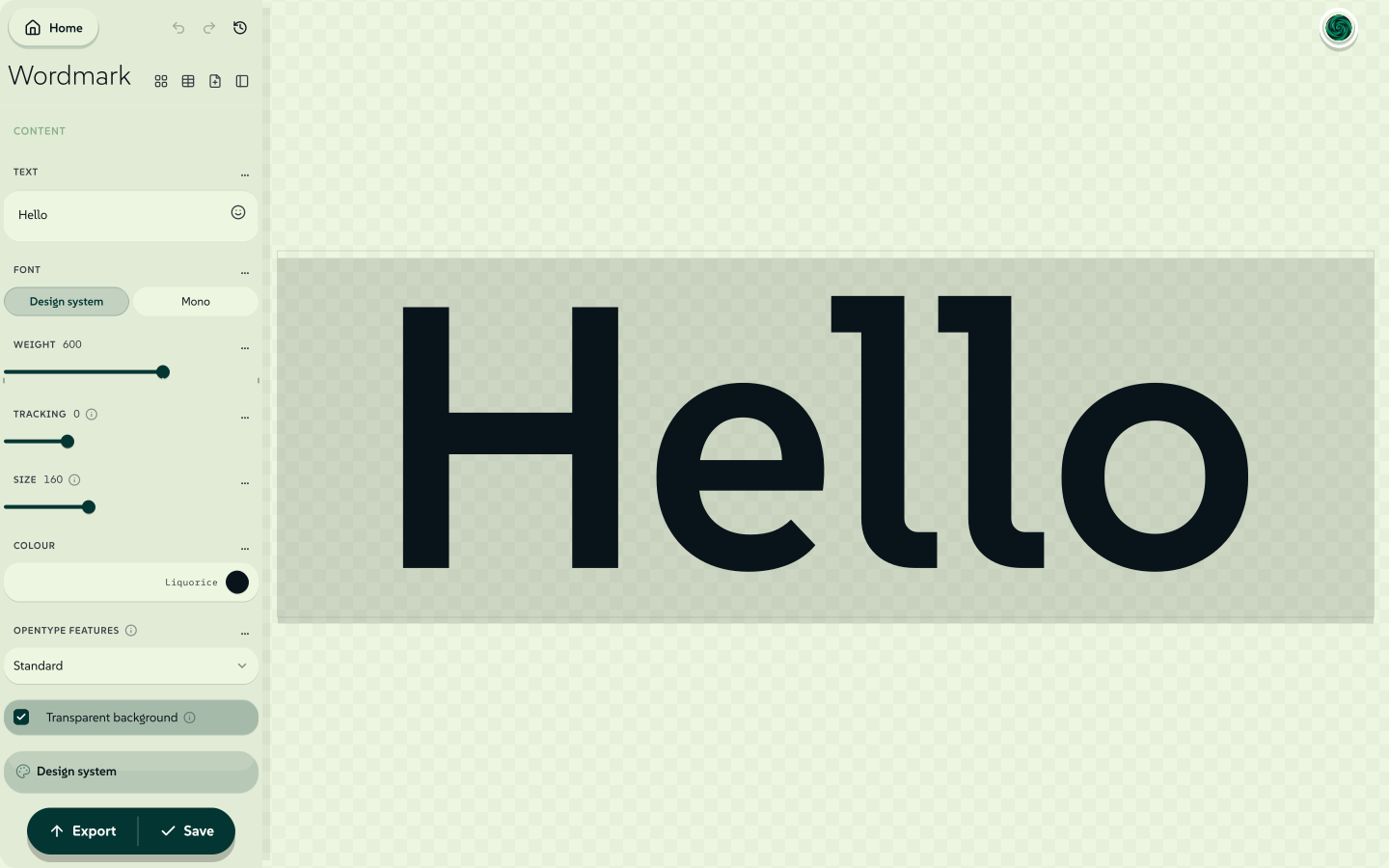 signed by Lollyvector SVG121 paths~4.6k nodes197 groups2 images113 KB직접 확인하기서명된 파일 받기

이것이 독보적으로 제공하는 것
- 과감한 디자인 가능성을 맥락 안에서 안전하게 구현. 도구는 하드코딩된 가드레일 안에서 과감한 디자인 아이디어를 표현할 수 있습니다.
- 최종 애셋을 그대로 반환하는 소프트웨어 정의 콘텐츠 자동화. 입력 → 최종 파일. "이제 디자인 도구에서 저장한 뒤 후처리하세요" 같은 과정이 없습니다.
- 도구가 도구를 조합합니다. 하나의 도구가 다른 도구의 렌더링 결과를 임베드해 하나의 완성된 애셋의 일부로 반환할 수 있으며, 도구 간 코드 결합이 전혀 없습니다 - 현재 시장의 오픈 캔버스나 DAM 템플릿 제품 중 어느 것도 제공하지 않는 기본 요소입니다.
- 벤더 중립성. 기능과 비용을 완전히 통제할 수 있습니다. 오픈소스 엔진. 도구와 애셋은 SaaS 데이터베이스에 갇혀 있지 않고 git으로 추적되는 콘텐츠입니다.
그중 첫 번째가 사람들이 가장 과소평가하는 부분입니다. 드롭다운 하나와 브랜드 밖으로 벗어날 수 없는 색상 필드 두 개만으로, 진짜 벡터 도로와 수로 경로로 그려진 포스터급 도시 지도가 만들어집니다:
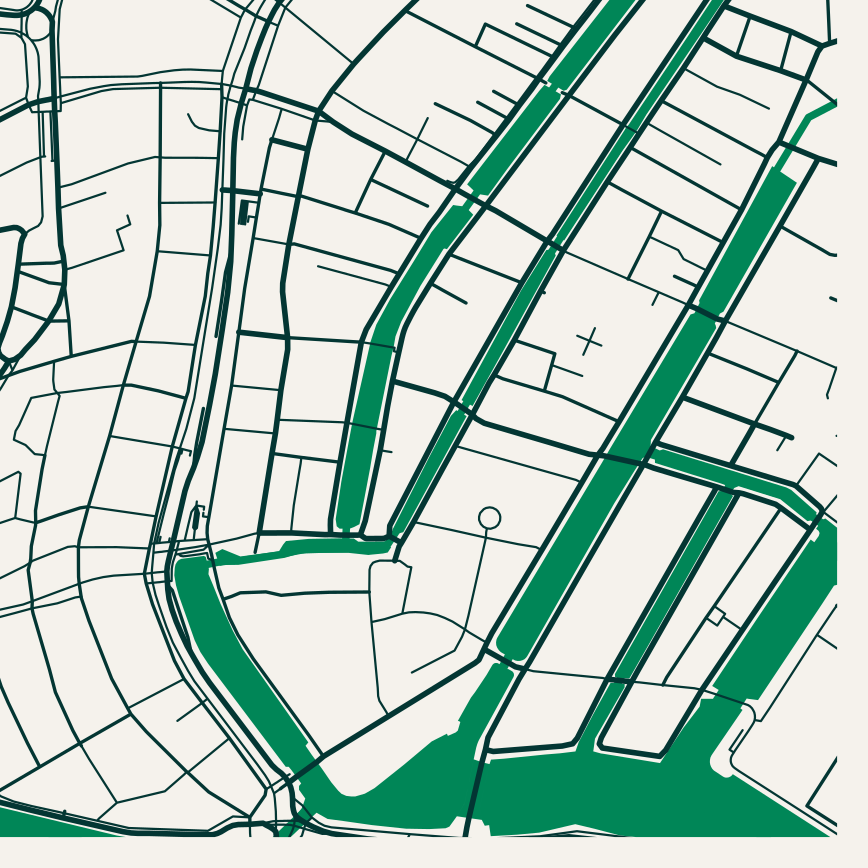 signed by Lollyvector SVG8 paths~25k nodes7 groups287 KB직접 확인하기서명된 파일 받기
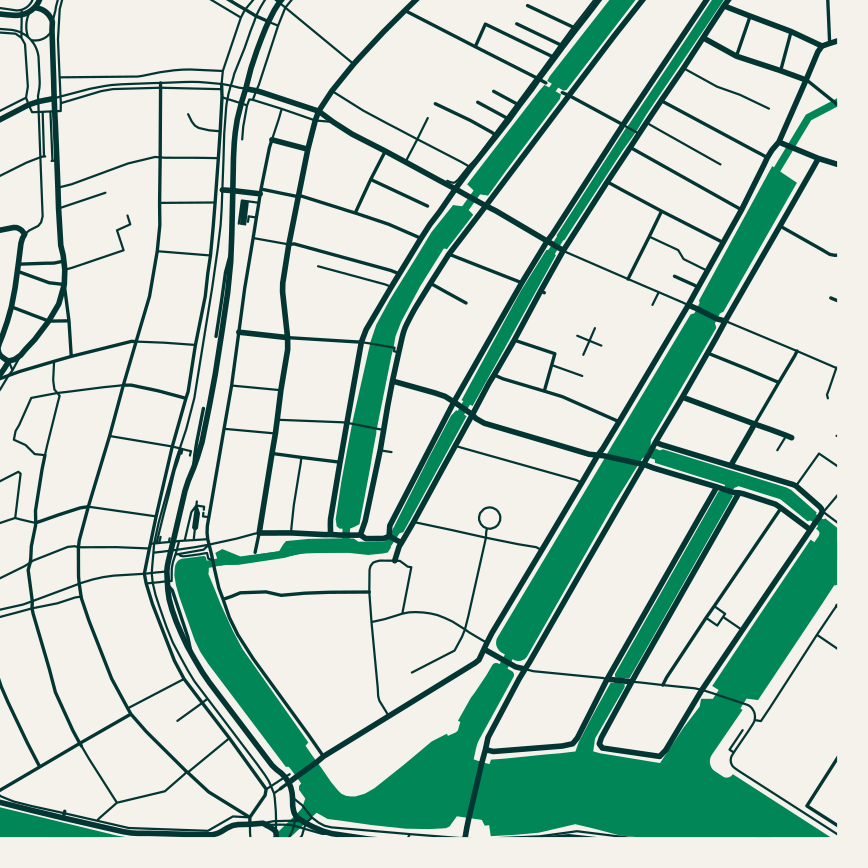 signed by Lollyvector SVG8 paths~25k nodes7 groups287 KB직접 확인하기서명된 파일 받기


콘텐츠 주권
앞 절에서 다룬 내용을 하나로 요약하면 주권이라는 이름이 붙습니다. 당신의 미디어 파이프라인은 당신이 소유한 하드웨어에서 돌아갑니다. 당신의 브랜드 - 토큰, 폰트, 로고, 그리고 이를 강제하는 도구들 - 은 내보내기 버튼이 달린 벤더의 데이터베이스가 아니라, 당신이 직접 보유하고 당신이 통제하는 버전 관리 시스템 안 파일로 존재합니다. 렌더링은 바로 눈앞의 기기에서 일어나므로 애셋이 존재하기 위해 제3자를 거칠 필요가 없고, 입력부터 완성된 파일까지 전체 경로가 오픈소스로 공개되어 검사할 수 있습니다. 내일 모든 SaaS 디자인 벤더가 사라지더라도 Lolly 배포는 아무 영향을 받지 않습니다.
이는 구독보다 오래 남아야 하는 작업을 하는 모든 이에게 중요합니다 - 노트북에 사진책이 남아 있는 부모부터, 조달 규정 아래 브랜드 라이브러리를 관리하는 공공기관까지 마찬가지입니다. 공공기관, 규제 산업, 브랜드가 장식이 아니라 전략적 자산인 모든 조직에게 "우리 콘텐츠는 어디에 있고 누가 그것을 끌 수 있는가"는 취향이 아니라 거버넌스의 문제입니다. 여기서 주권은 컴플라이언스를 위해 나중에 추가된 호스팅 기능이 아니라 아키텍처 자체의 속성이며, 개인정보 처리방침과 직접 검증하기 페이지는 이 주장을 그대로 믿지 않고 직접 확인할 수 있도록 존재합니다.
이 모든 것의 밑바탕에는 기능이 아니라 약속으로 명시된 한 가지가 있습니다: 당신의 기기에서 렌더링되는 것은 영원히 무료입니다. 엔진, 셸, 도구, 포맷 - 온디바이스 크리에이티브 경로 전체가 오픈소스이며 앞으로도 그럴 것입니다. 이 약속에는 메커니즘이 있습니다: 한 번 릴리스된 버전은 되돌릴 수 없게 라이선스되어 있고, 이후에 재라이선스할 수 있는 기여자 계약도 존재하지 않습니다. 전체 경계는 한 문장으로 요약됩니다: 당신의 기기에서 렌더링되는 모든 것은 영원히 무료이며 오픈소스입니다. 네트워크를 넘나드는 사람과 기계의 조율은 별도의 제어 플레인인 lolly.work의 몫입니다.